How to Plan Exterior Paint Repairs Before Cool Weather
Walk your exterior in late summer, list peeling, cracked caulk and bare wood, then book repairs while Charlottesville still offers warm, dry paint-curing days.
Published
Part of our Interior Painting service.
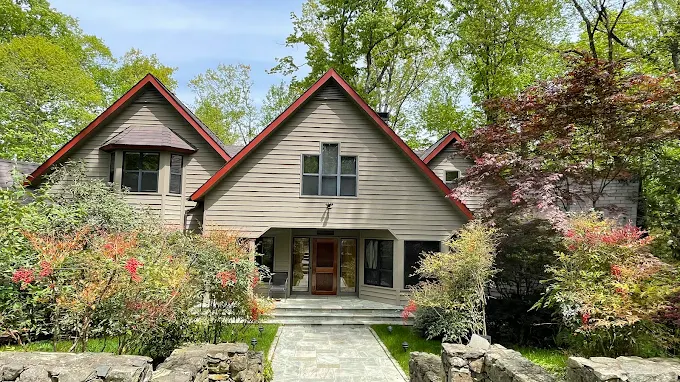
Check Your Siding and Trim for Peeling or Bubbling Paint
Start with a slow walk around the house in late August or early September, when the sun angle makes flaws easy to spot. Look at south and west walls first, since they take the hardest weather. Peeling, bubbling, or alligatoring paint means moisture is getting under the film, and every one of those spots needs scraping and feathering before any new coat goes on. In Charlottesville, cool nights arrive faster than most homeowners expect, and paint applied to cold or damp wood in October rarely bonds well. Mark problem areas with painter's tape or a note on your phone as you go, so nothing gets forgotten when the crew arrives. A written list also makes the estimate conversation faster, because you can point to each location instead of describing it from memory. If peeling covers more than a small patch, plan on a proper preparation phase, not just a touch-up. Surface preparation is where exterior jobs succeed or fail, and it takes warm, dry days to do it right.
Test Your Caulked Seams Before the Weather Turns
Run a finger along the caulked seams where trim meets siding, around window frames, and at corners. Caulk that is cracked, pulling away, or missing entirely lets water into the wall, and water is what turns a cosmetic paint problem into a repair problem. Central Virginia winters bring freeze-thaw cycles that widen every gap, so a seam that fails in November becomes a bigger issue by March. Replace failed caulk during your paint prep window, not after. Fresh caulk needs mild temperatures to cure properly, which is another reason late summer and early fall scheduling matters here. While you are checking, note any seams where the old caulk was applied over rot or soft wood, because those need wood filler or replacement before recaulking. Add every failed seam to your repair list with the approximate length, so the estimate reflects real work rather than a guess. Alvarez' Painting includes caulked seams as a standard part of exterior prep, because a tight seal is what makes the paint job last through a Virginia winter.
Probe Any Bare or Soft Wood Before You Schedule Painting
Bare wood is urgent wood. Once paint fails and the substrate is exposed, every rain cycle pushes moisture into the board, and Virginia's humidity keeps it there. Press a screwdriver gently against suspicious spots on fascia, window sills, and lower trim. Soft, spongy, or flaking wood needs more than paint. It needs wood filler at minimum, or board replacement if the damage runs deep. This is the single most common surprise in exterior paint work, and it is why homeowners should find it themselves before the season window closes. Repairs done in warm weather dry and cure predictably, and primer bonds to properly prepared wood far better than to damp fall lumber. Write down each location and note whether it is trim, siding, or framing, since that changes the repair method. A contractor who finds rot mid-job has to stop and revise the plan. A homeowner who finds it during a summer inspection gets a complete estimate up front and no schedule slip when cool weather arrives.
Pressure Wash Early, Not the Week Before Painting
Dirt, mildew, and chalky old paint all interfere with adhesion, so washing belongs early in the plan, not as a rushed final step. Give siding, soffits, and trim a cleaning several weeks before the paint date. That buffer matters for two reasons. First, wood needs time to dry thoroughly after washing, and damp wood ruins paint bonds. Second, washing reveals problems that were hidden under grime, such as cracks, soft spots, and failed caulk, and you need time to add those to the repair list. Use soft washing for delicate surfaces like siding and fences, and pressure washing for hard surfaces such as brick, concrete, and driveways. In Charlottesville's humid late summer, mildew can regrow on shaded elevations, so a clean surface painted promptly stays cleaner longer. Schedule the wash, then schedule the paint, then leave prep time between them. Alvarez' Painting handles both as separate steps with their own timing, because rushing from hose to roller is how paint fails in its first winter.
Watch Your Shaded Elevations for Mildew
North-facing walls, areas under big trees, and spots that never get direct sun are mildew magnets in central Virginia. Mildew looks like gray or black speckling and wipes off with a damp finger. Paint over mildew and it grows straight through the new coat within a year, so this is a repair item, not a cosmetic one. Treat it during the washing phase with an appropriate cleaner, rinse thoroughly, and let the surface dry fully. Trim back shrubs and tree limbs that hold shade and moisture against the house while you are at it, since the foliage that caused the mildew will cause it again. Note which elevations needed treatment, because those are the ones that will need cleaning attention at every future repaint. Homeowners in wooded Charlottesville neighborhoods like those around earlysville and Crozet deal with this every cycle, and planning for it in late summer, while days are still warm and dry, keeps the problem from carrying into the paint job itself.
Book Your Estimate Before Fall Schedules Fill
Exterior painting seasons in Virginia compress hard. Warm, dry-enough days for proper application typically run well into October, but contractor calendars fill in August and September as everyone with a peeling house calls at once. Homeowners who wait for the first cool week often end up on a spring list instead. Call for an estimate while your repair list is fresh from the walkthrough, and expect the conversation to cover the scope you found: peeling areas, failed caulk, soft wood, washed surfaces, and shaded elevations. A clear written scope means the work can start as soon as a good weather stretch appears, rather than losing painting days to planning. Alvarez' Painting schedules estimates by phone at (434) 305-2318 and walks the property with you before quoting. Book early enough that surface prep, washing, repairs, and two finish coats all fit inside the warm-weather window. A well-sequenced plan beats a fast start every time, and the plan is what makes the paint job survive its first frost.
Prioritize Repairs That Protect the Structure, Not Just the Look
Not every exterior issue is equal, and a pre-fall budget should rank them. Water entry points come first: failed caulk, bare wood, cracked boards, and gaps around doors and windows. These turn into rot, and rot turns a paint touch-up into carpentry. Cosmetic fade and chalky color come second, since they affect appearance but not the building. Rust-stained fasteners, nail heads bleeding through paint, and hairline cracks in siding fall in between. When money or schedule forces a choice, fix the envelope of the house before the aesthetics. A tight, sealed, properly primed exterior in a slightly faded color outperforms a pretty coat painted over moisture problems. Write your list in that order and share it with your painter, so the crew's prep hours go where they protect the home most. This ranking also stretches the life of the whole paint cycle, because the next repaint becomes a simpler, cheaper job when the substrate stayed dry through the winter.
Ready to move forward? See our Interior Painting service
Written by the Alvarez' Painting team.
How to Plan Exterior Paint Repairs Before Cool Weather FAQs
How late in the year can exterior paint be applied in Charlottesville?
It depends on the product and the weather, but most exterior coatings need surfaces and air temperatures above the manufacturer's minimum, plus dry conditions for curing. In Charlottesville that usually means wrapping up application by mid to late October. Booking repairs and prep earlier keeps the full job inside a safe window.
Can I paint over small areas of peeling without a full repaint?
Small, contained areas can be spot-repaired: scrape and feather the loose paint, prime bare spots with a stain-blocking or bonding primer, then topcoat. The challenge is color matching an aged exterior, since sun-faded paint rarely matches a fresh can exactly, so a focused repair may show a slight sheen or color difference.
Should I pressure wash or soft wash before exterior painting?
Both, in the right places. Soft washing suits siding, roofs, and fences where high pressure causes damage, while pressure washing suits concrete, brick, and driveways. Either way, wash weeks before painting so wood dries completely and any hidden damage surfaces in time to join the repair list.
What should a pre-winter exterior repair estimate include?
A solid estimate should list each repair location, the prep method for peeling or bare wood, caulk replacement, washing, priming, and the number of finish coats. It should also sequence the work, since washing, repairs, and painting each need their own weather and drying time before the next step starts.
Still have a question about your project? Call or send a message